Blender Animation Series — 2021
Original 3D animations made from imagination in Blender during college Year 2 — no tutorials, published on Instagram
2021year produced
Blender
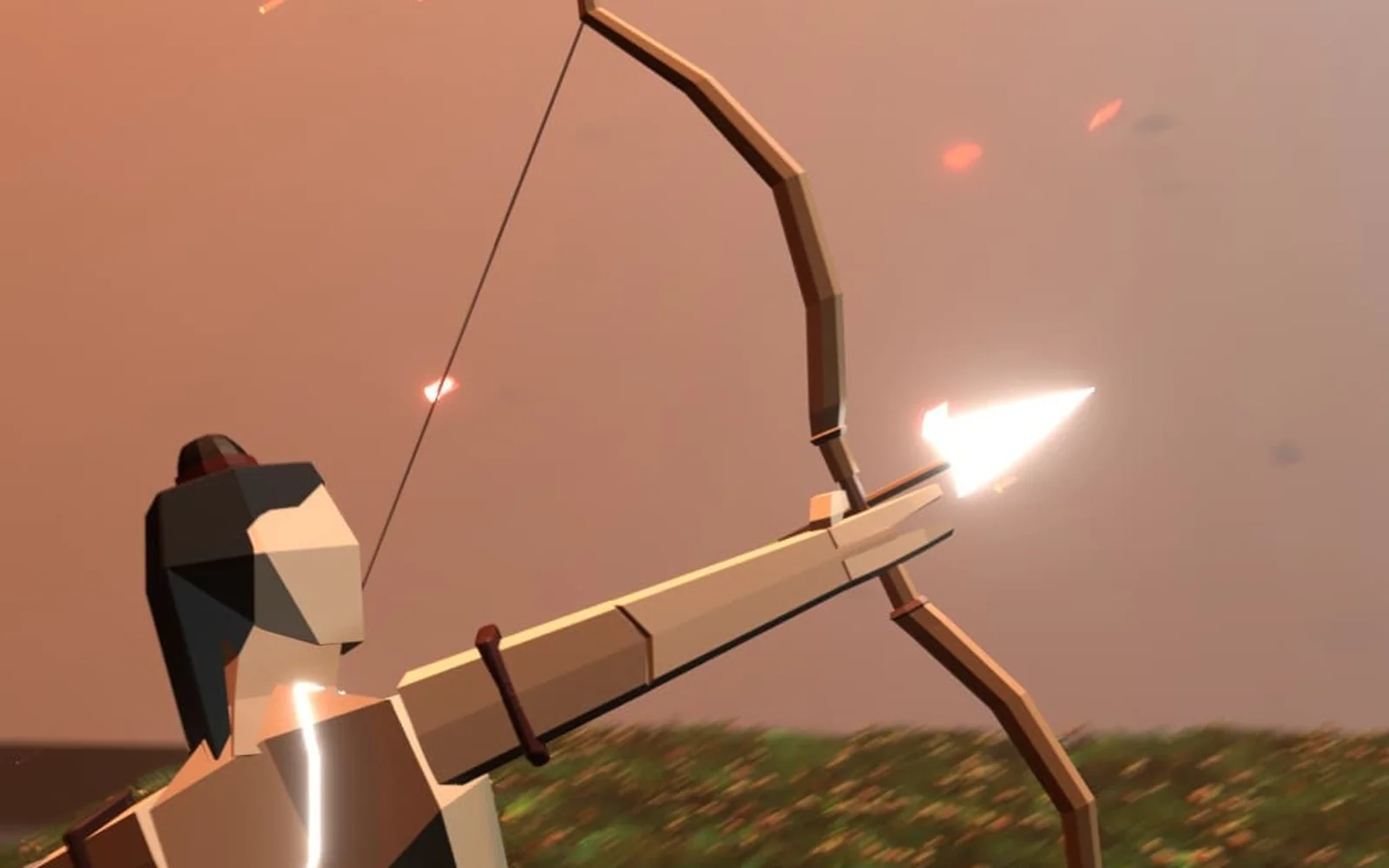
Twelve Years of Aspiration, One Laptop
The first game I ever made was in 3D RAD at age nine. Every project since held the same ambition underneath it: eventually build games at the scale I could see in my head. By 2021, I had a college laptop, time between classes, and twelve years of accumulated instinct about what those games should feel like.
So I opened Blender and started building the scenes from scratch — no tutorials, no reference assets, no node setups copied from YouTube. Each piece was conceived mentally first — the geometry, the lighting, the camera move — and then built from the viewport up. The approach was deliberate. Following a tutorial produces a tutorial's result. Building from what I had in my head produced something that was actually mine.
What the Hardware Imposed
The laptop had limits. Every 3D animator on consumer hardware eventually discovers the polygon budget: you can model anything you want until you hit render time, and then you learn exactly how much your machine is willing to cooperate. The constraint became a design decision. Low-poly isn't just an aesthetic — it is what a principled approach to a hardware budget produces when you do it honestly rather than fighting it. The animations that came out of that budget have a particular visual character that more compute would have erased.
I published the series on Instagram @ddr4_karanveer. Not to build an audience — to close a loop. I had spent twelve years imagining this kind of work. Shipping it somewhere public meant it existed outside my own head.
The Decision It Produced
The rendering ceiling was clear. Making the work I actually had in mind — more complex scenes, better physics, real-time environments — required capital that a student laptop and a Blender licence couldn't provide. I read that as a sequencing problem, not a creativity problem.
The path was: develop the software skills first, generate revenue through engineering work, then come back to the creative work at the intended scale. The Unity self-driving car trained with reinforcement learning at IILM in 2023 is where that sequence paid off — a production-scale real-time 3D environment that I built because I had spent the intervening years becoming an engineer who could actually fund and execute it.
Blender 2021 is the record of that decision being made. The animations are the work. The decision is the more important artifact.
Did this resonate?
Love
Fire
Insightful
Clap
Thought-provoking
Comments
Loading comments...